Our Focus Areas
Economic Inclusion
These programs focus on financial independence, ensuring that widows can sustainably break out of poverty and independently support their households.
Climate-Smart Agriculture (The Fanikisha Mjane Project)
Financial Reconnection & Resource Mobilization
Micro-Enterprise & Livelihood Support
Climate Action & Carbon Credits


Economic Inclusion
Climate-Smart Agriculture (The Fanikisha Mjane Project)
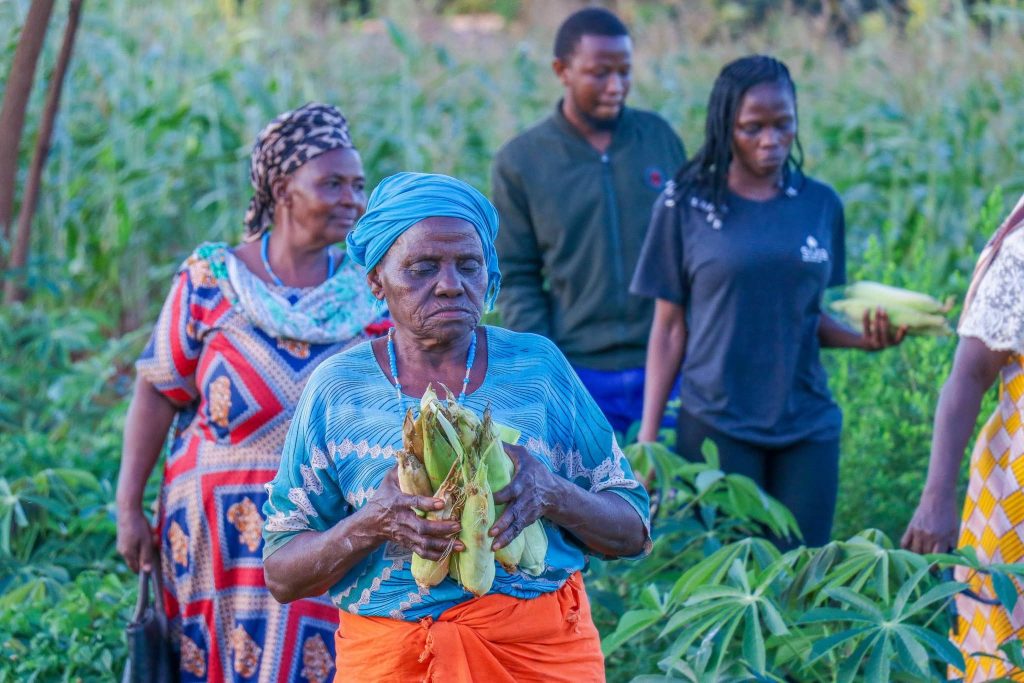
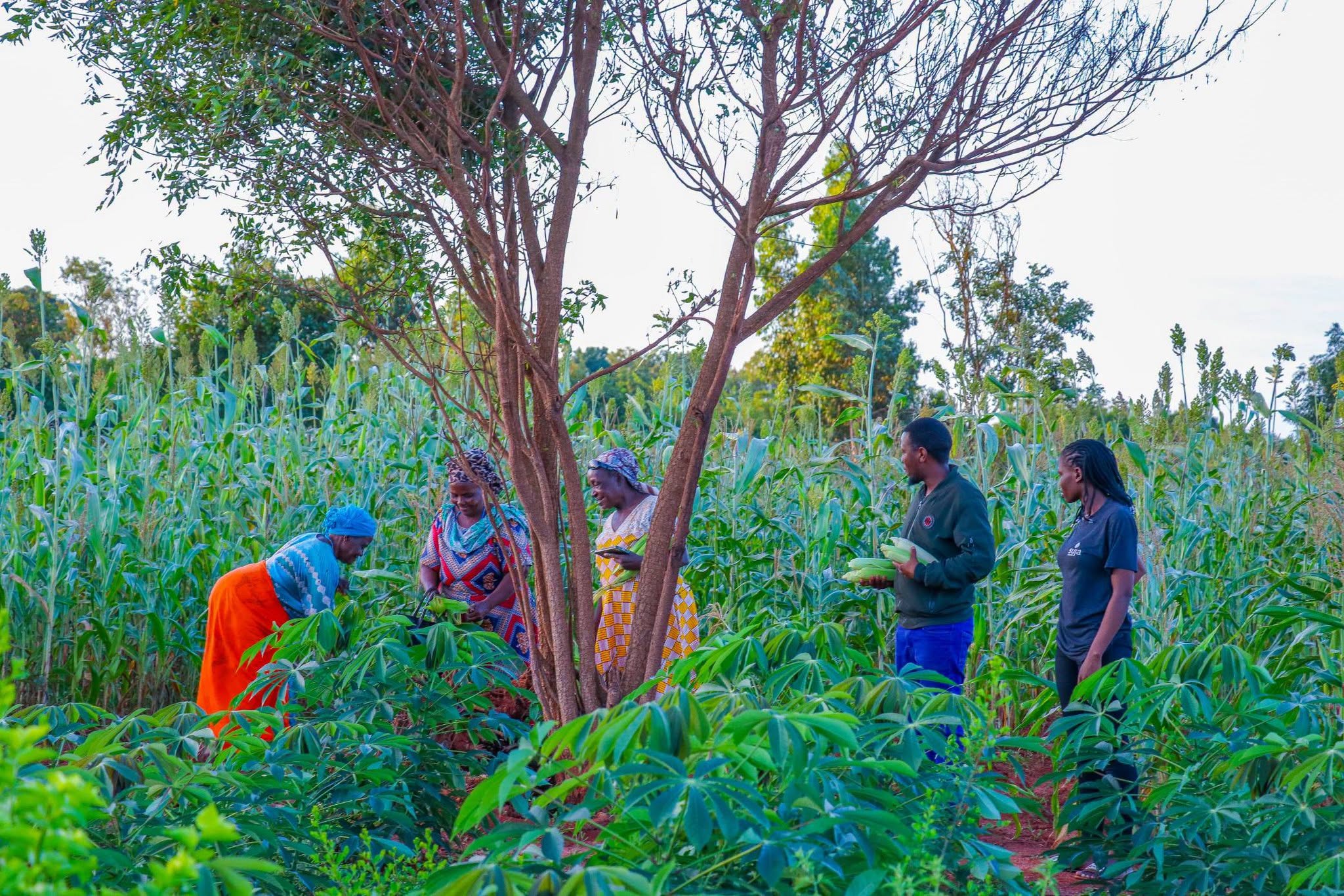
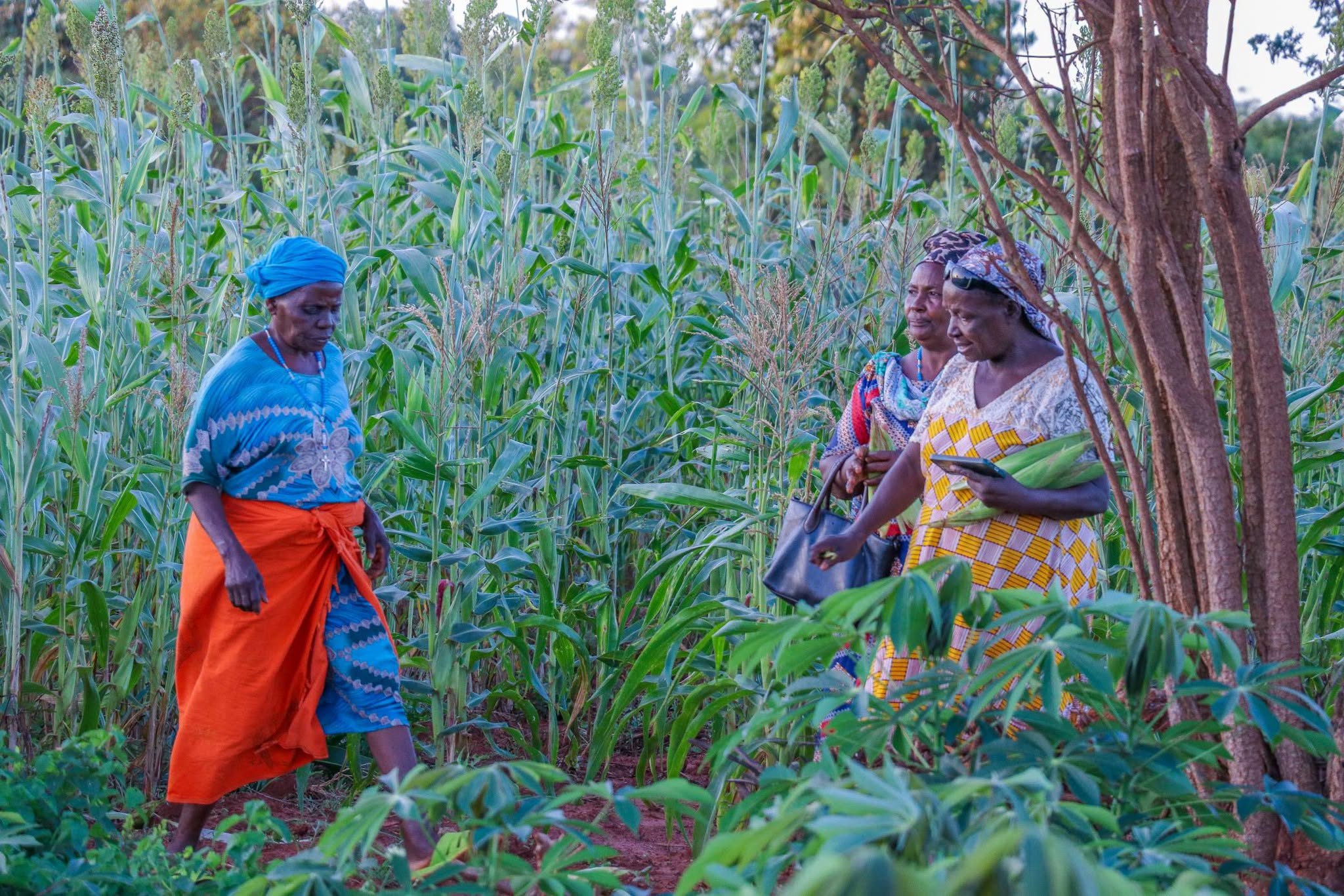
Traditional farming practices are increasingly vulnerable to the unpredictable weather patterns brought on by climate change, leaving rural widows at high risk of crop failure and starvation. The Fanikisha Mjane (Empower the Widow) Project addresses this by introducing sustainable, resilient agricultural models.
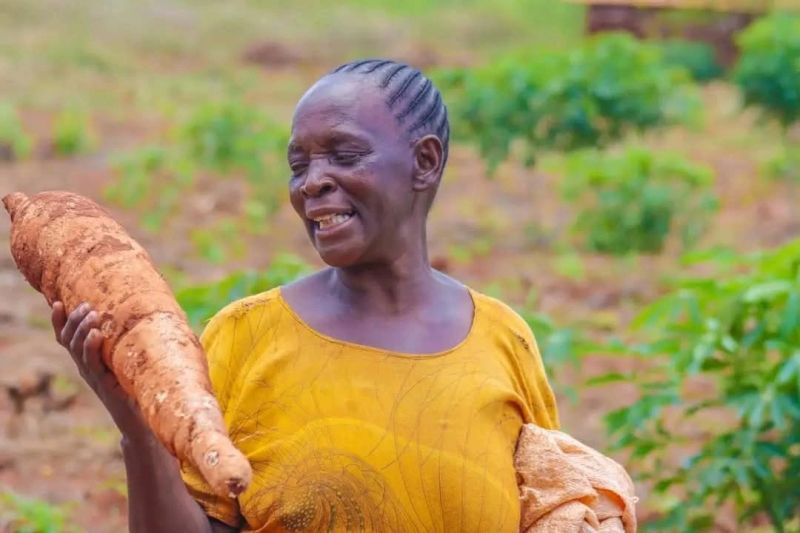
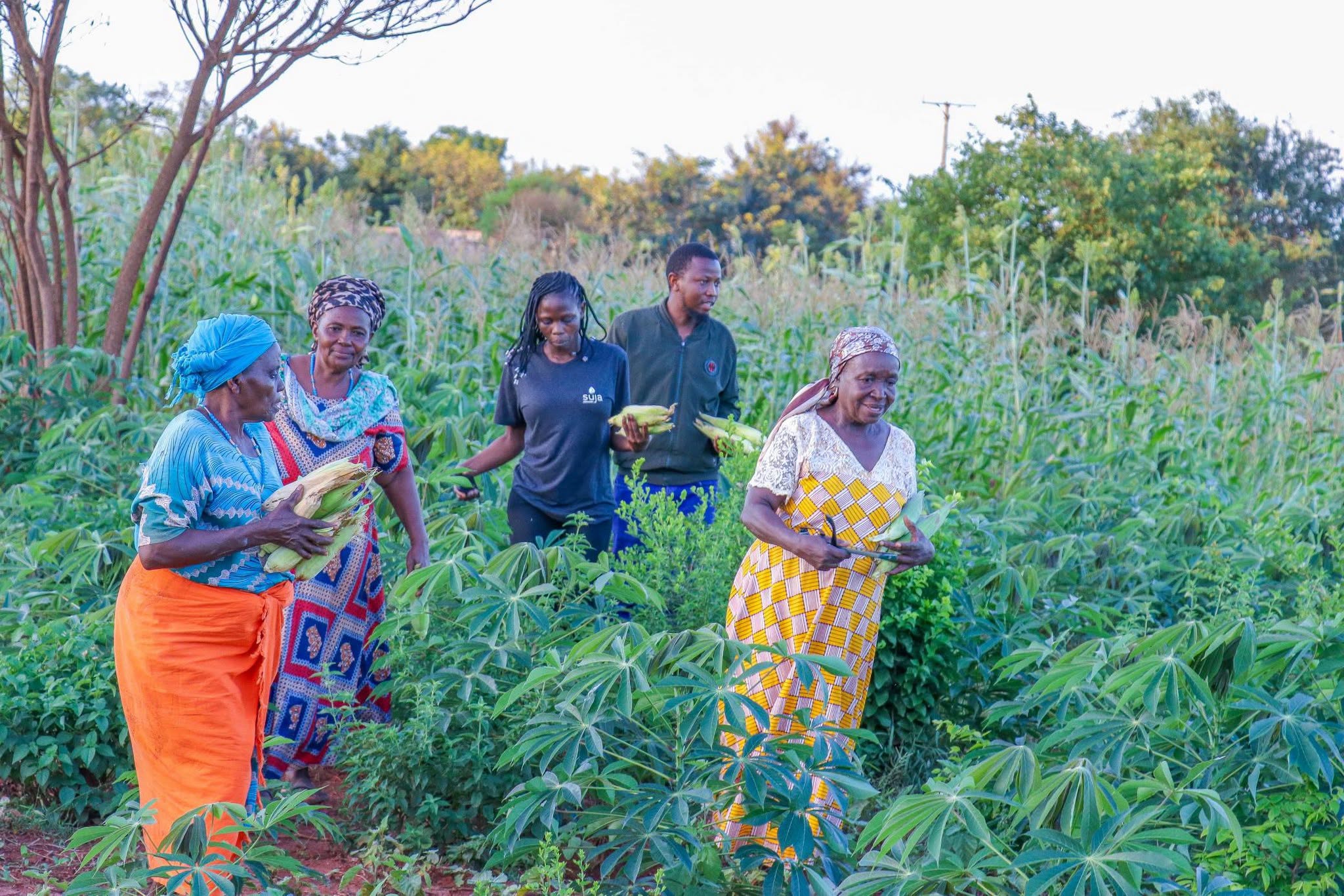
Focus on Resilient Crops: In coastal regions like Kilifi, we actively champion drought-resistant, high-yield crops such as cassava. Cassava serves as a dual-purpose solution: it thrives in poor soil conditions with minimal rainfall, providing a reliable food source for the household while serving as a highly marketable cash crop.
Modern Agribusiness Training: We don’t just provide seeds; we train widows in value-addition techniques (such as processing cassava into high-quality flour or chips), sustainable soil management, and water conservation. This shifts their mindset from subsistence farming to running profitable, climate-resilient agribusinesses.
Economic Inclusion
Micro-Enterprise & Livelihood Support
For widows living in peri-urban or urban environments where land is limited, entering the marketplace through Small and Medium Enterprises (SMEs) is the fastest route to financial stability.
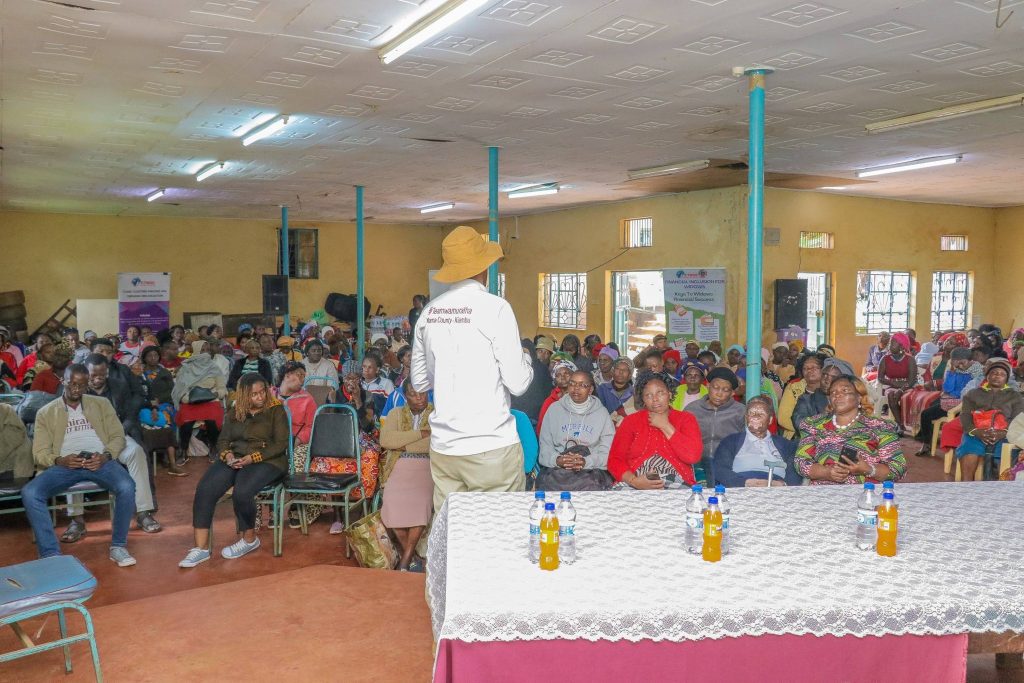
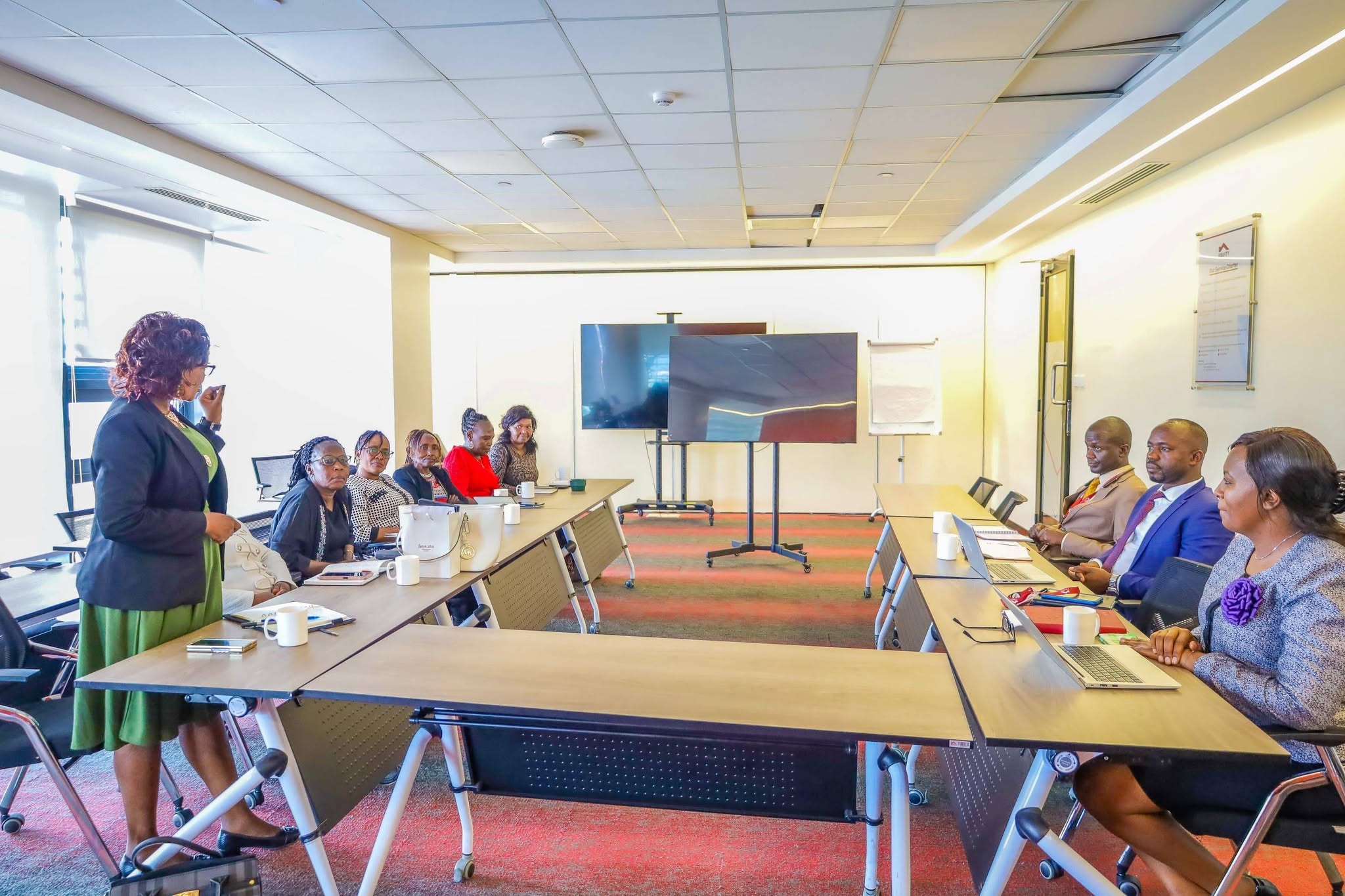
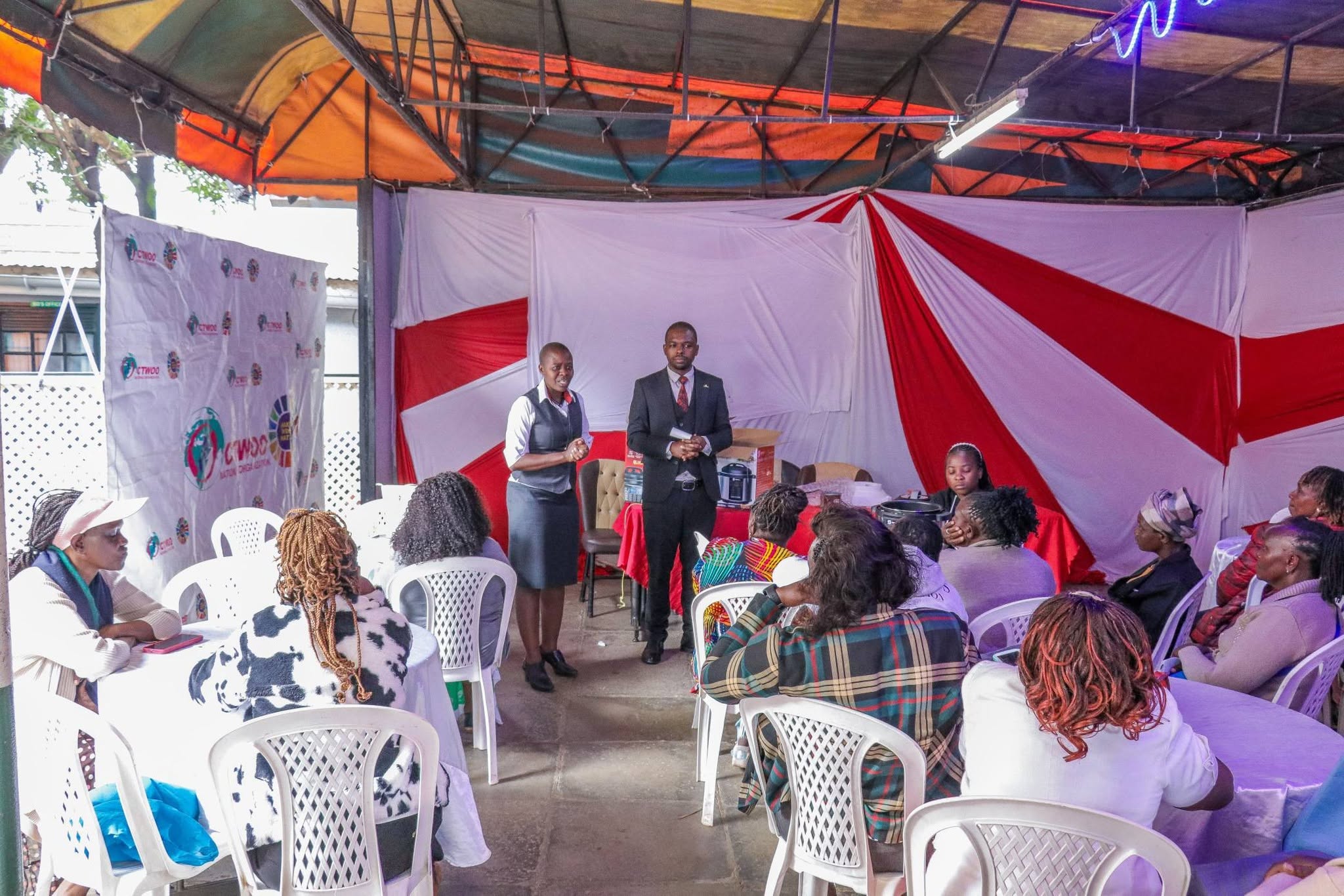
Building Financial Literacy: Many widows have never historically managed household finances or business accounts. We provide foundational training in budgeting, tracking cash flow, separating business from personal funds, and mobile-money accounting.
Technical & Operational Training: We walk widows through the practical steps of starting and scaling a business—from market analysis and supply chain sourcing to customer service and digital marketing. Whether they are opening retail kiosks, tailoring shops, or supply businesses, we ensure they have the operational acumen to make their ventures profitable and enduring.
Economic Inclusion
Financial Reconnection & Resource Mobilization
A unique and devastating hurdle many widows face is being locked out of wealth that rightfully belongs to them, simply because they do not know it exists or lack the structural access to claim it.
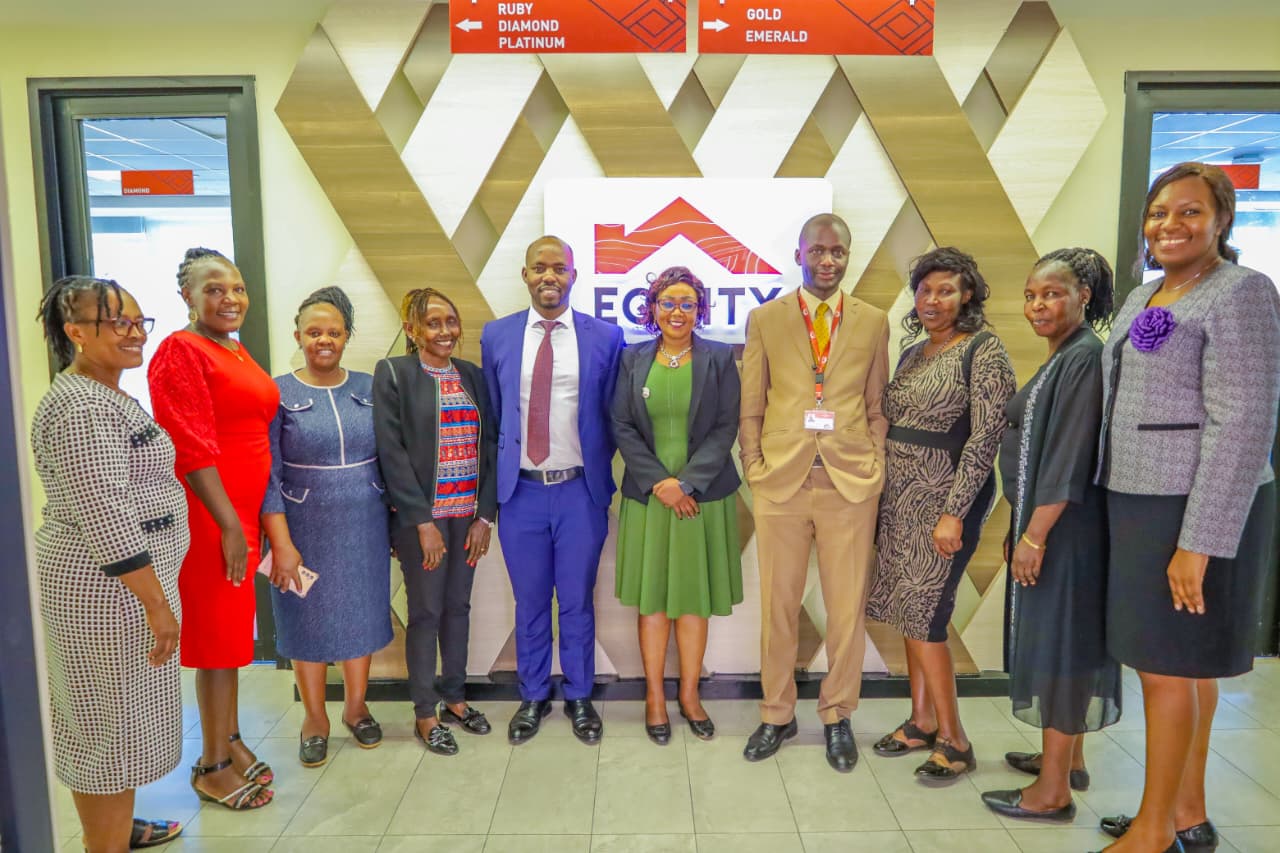
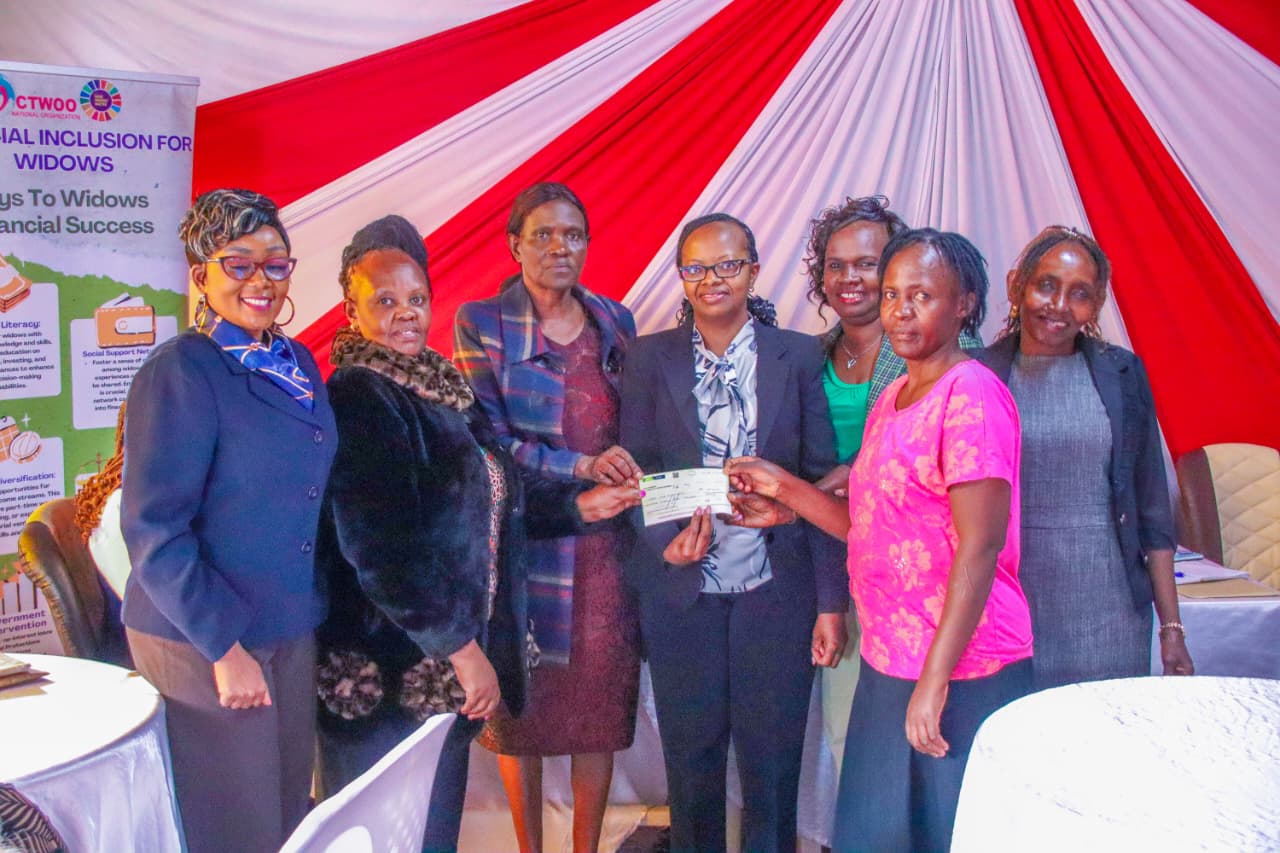
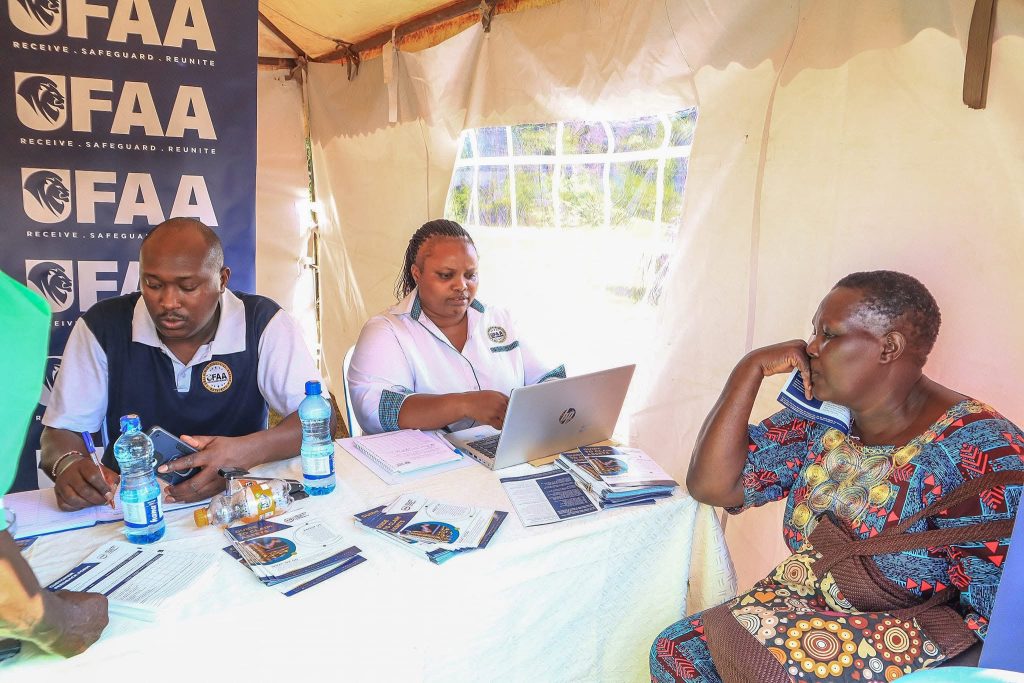
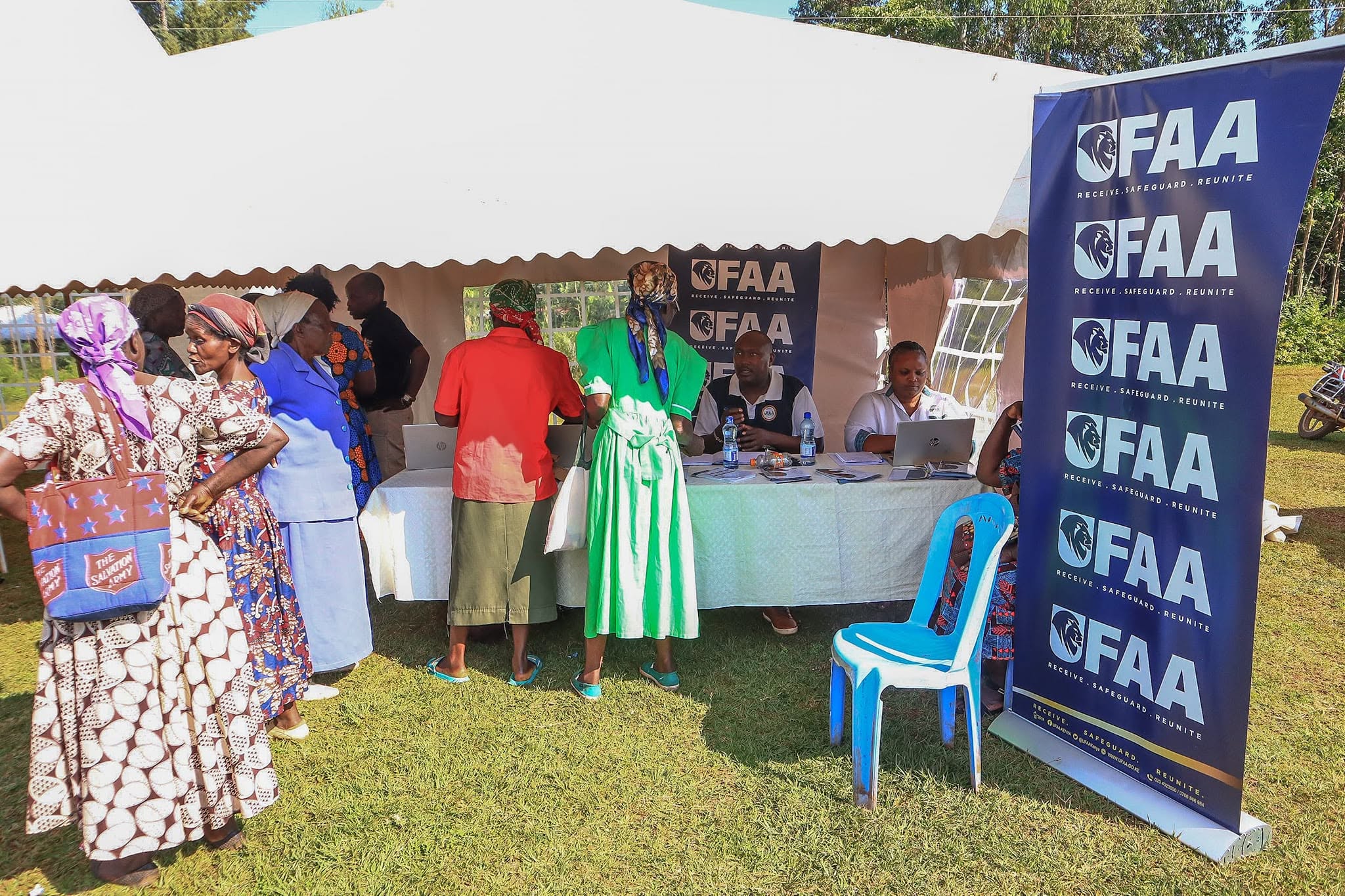
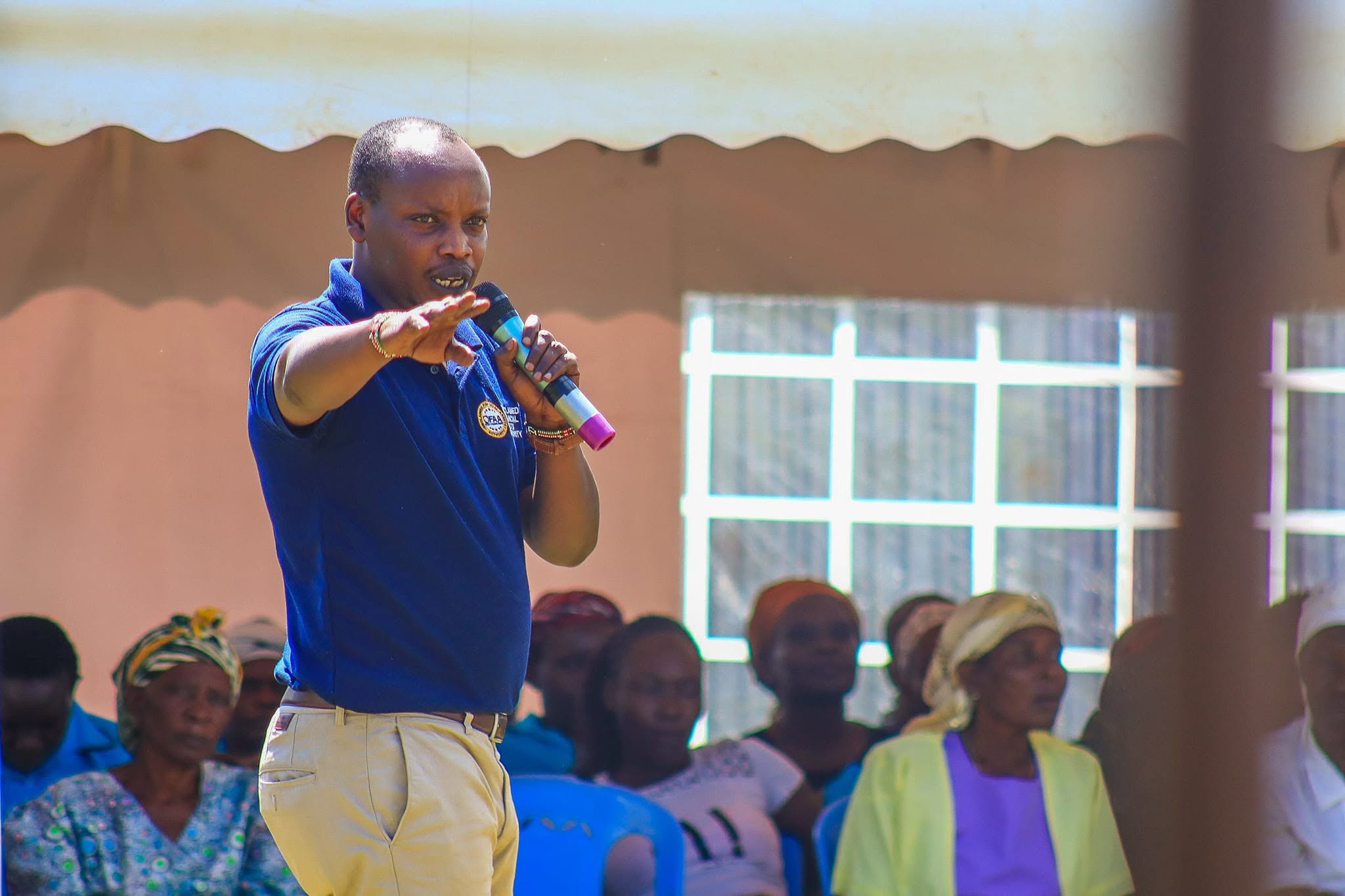
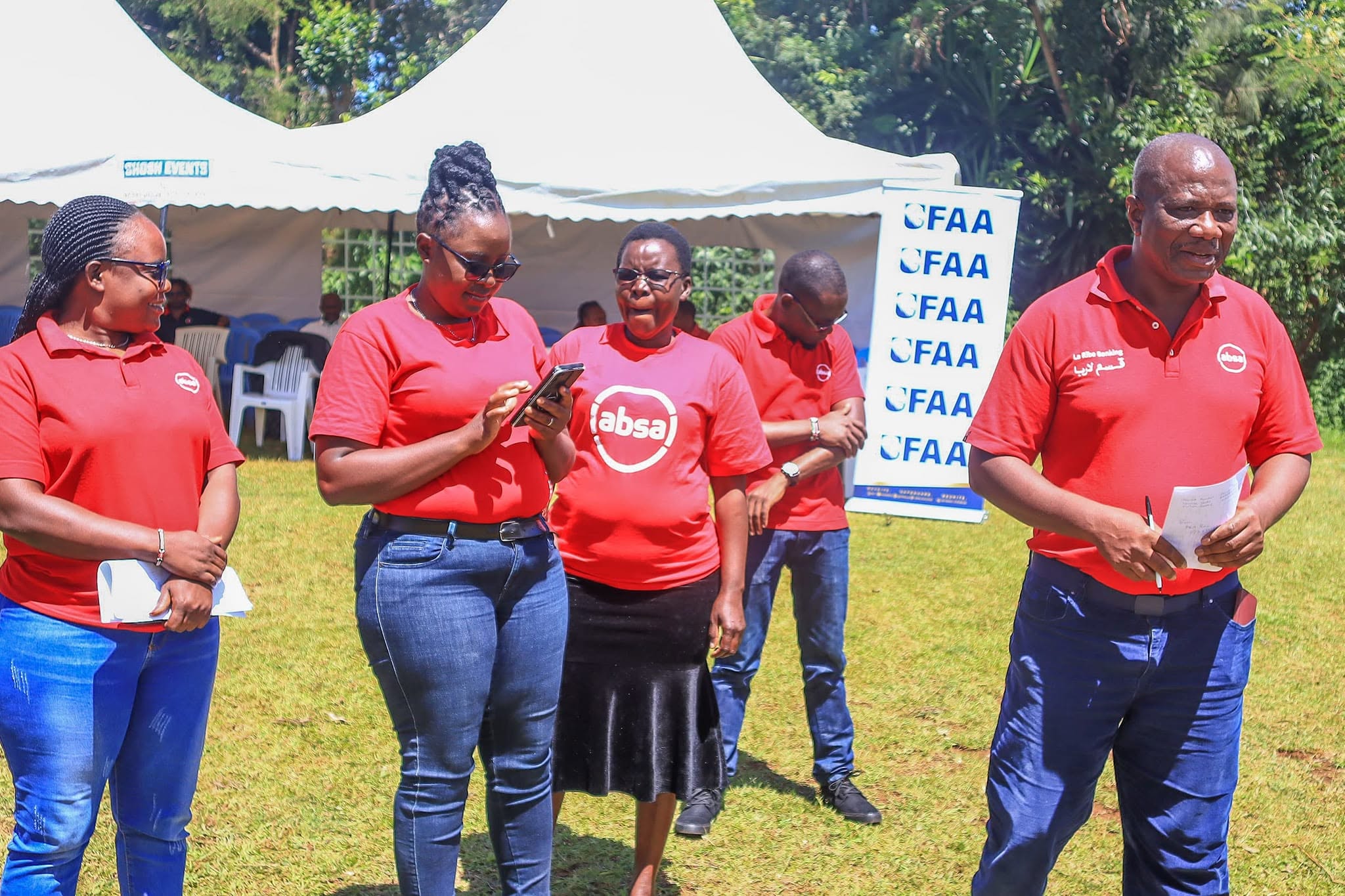
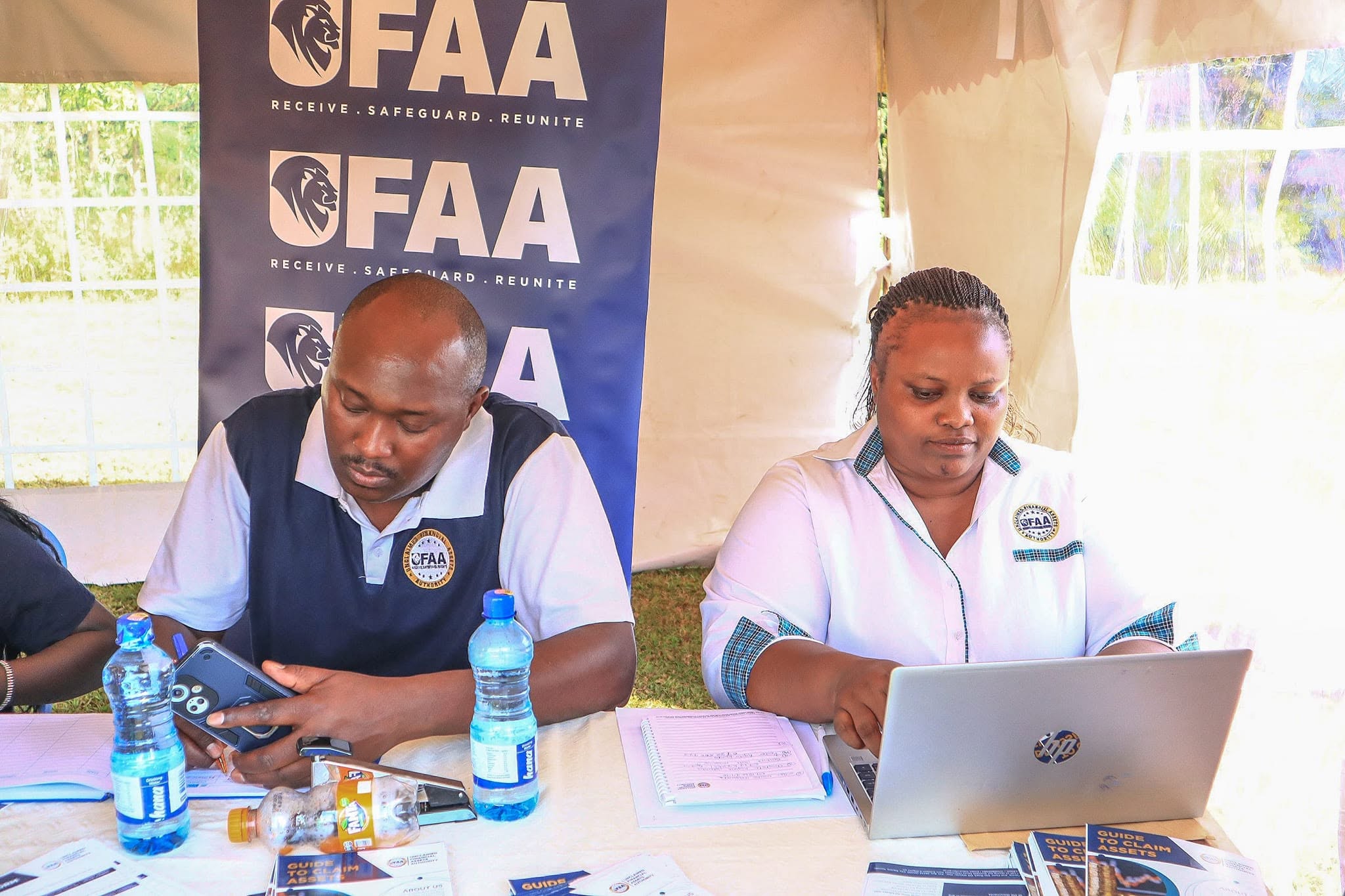
The Unclaimed Financial Assets Authority (UFAA) Partnership: Millions of shillings in forgotten bank accounts, insurance policies, and shares belonging to deceased husbands sit idle in state vaults. We actively collaborate with the UFAA to conduct asset-tracing audits, help widows navigate the intensive legal documentation required to prove administration, and successfully reunite families with their late spouses’ financial assets.
Unlocking Capital via Micro-Credit Funds: Capital is the lifeblood of business growth, yet formal banks often reject widows due to a lack of collateral. We bridge this gap by partnering with government and private micro-credit frameworks, including the Women Enterprise Fund and the Uwezo Fund. We organize widows into legally registered self-help groups, help them apply for these low-interest, affordable loans, and provide oversight to ensure the capital is successfully deployed to scale their enterprises.
Economic Inclusion
Climate Action & Carbon Credits
As global economic frameworks evolve, CTWOO ensures that marginalized grassroots women are not left behind by emerging green economies. This initiative positions widows not merely as victims of climate change, but as active, compensated stewards of environmental conservation.
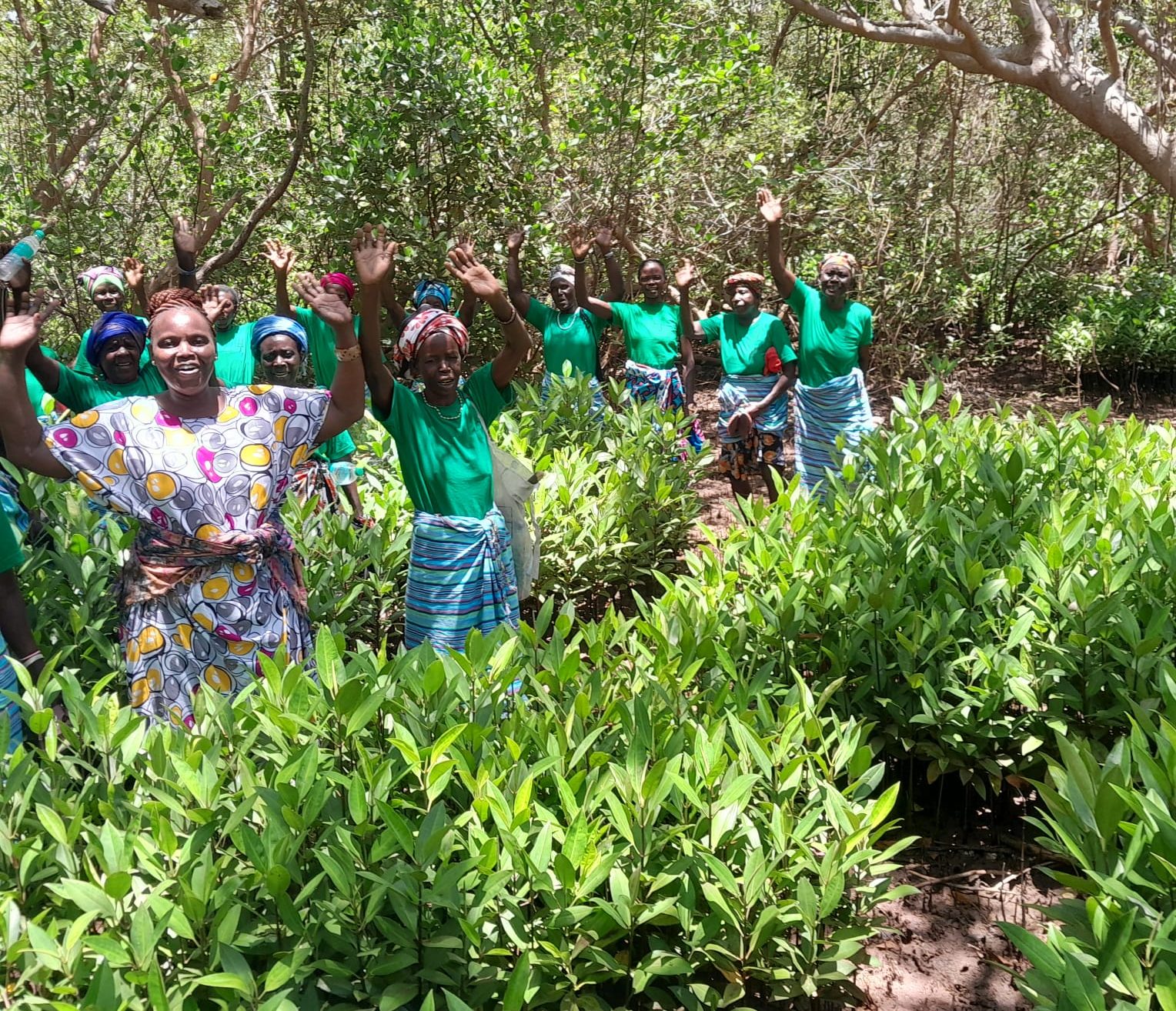
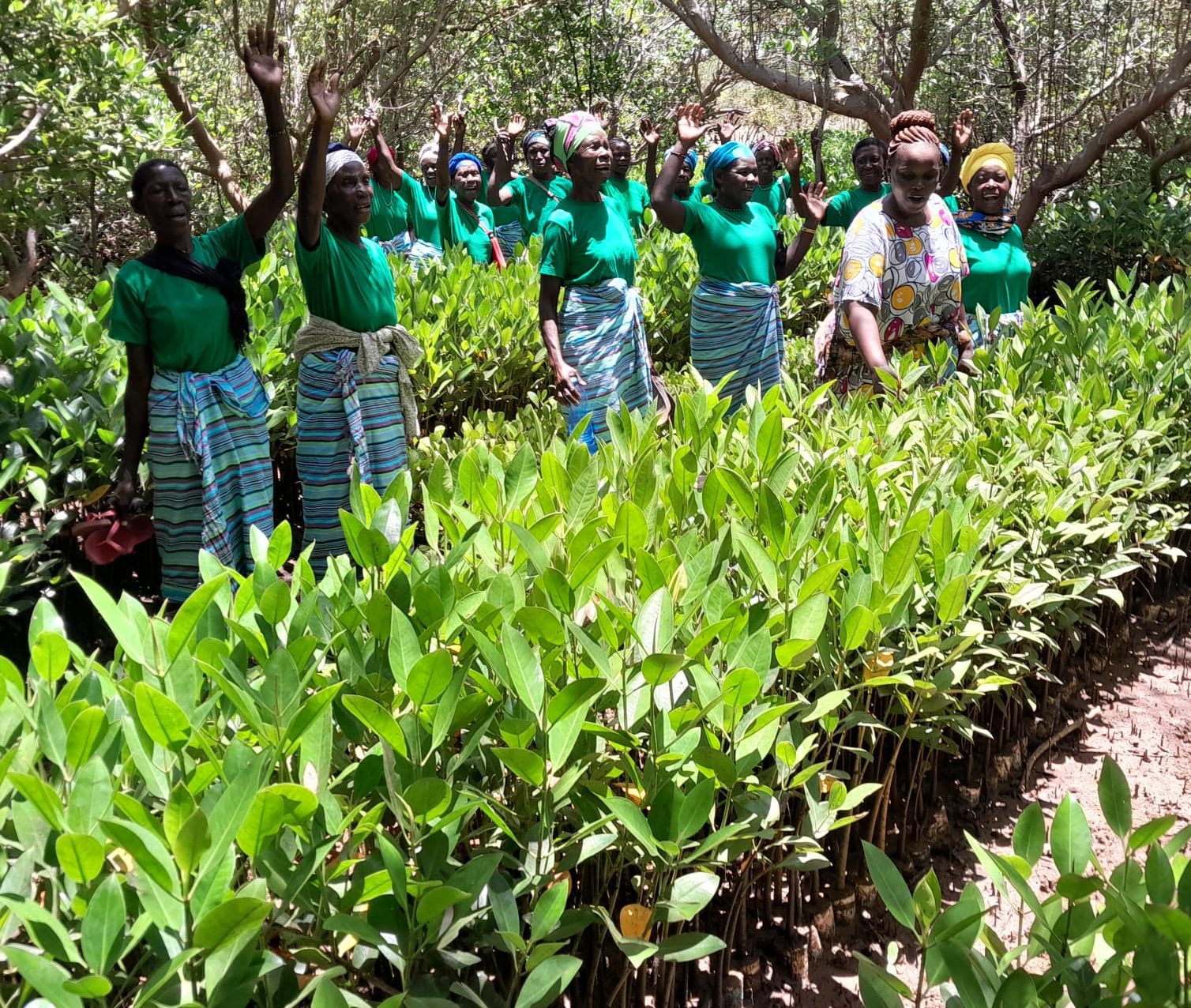
Income Generation through Conservation: We integrate widows into structured environmental initiatives, such as reforestation, mangrove restoration in coastal zones, and the adoption of clean energy cooking stoves.
Navigating the Carbon Market: By participating in verifiable carbon-offsetting projects, these communities generate carbon credits. We work with environmental partners to aggregate these credits and ensure the financial returns are channeled directly back into the pockets of the widows and their local groups. This creates an innovative, completely sustainable revenue stream that rewards environmental protection with direct economic dignity.


Nairobi Office
- 1st Floor, Room 110, Blessed House, Thika Superhighway Next to Astrol Petrol Station
- +254702577477 / +254789577476
- info@cometogewoo.org
Meru Office
- MERU-NKUBU, GM plaza ground floor room no.G8
- +254119938756
- ctwoomeruoffice@cometogewoo.org
Our Programs
Quick Links
Subscribe to CTWOO newsletter NOW
Get our latest updates straight to you.