Our Focus Areas
Legal Empowerment and Advocacy
This is one of CTWOO’s most prominent focal areas, dedicated to defending human rights and establishing systemic legal protections for marginalized women and children.
Widowed Persons Protection Bill
Family Law and Rights Education
Paralegal Training & Legal Aid
Human Rights & CEDAW Alignment
Legal Empowerment and Advocacy
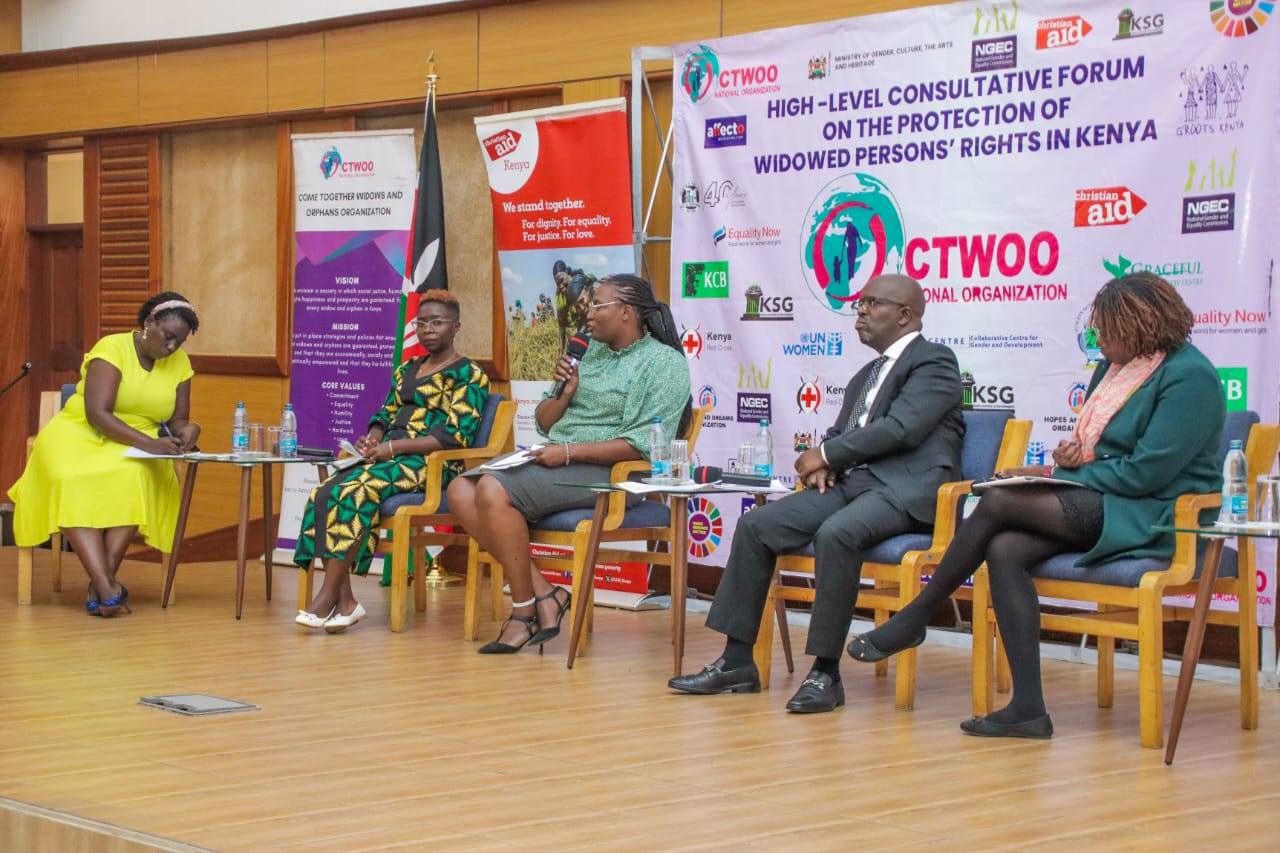
Widowed Persons Protection Bill, 2026
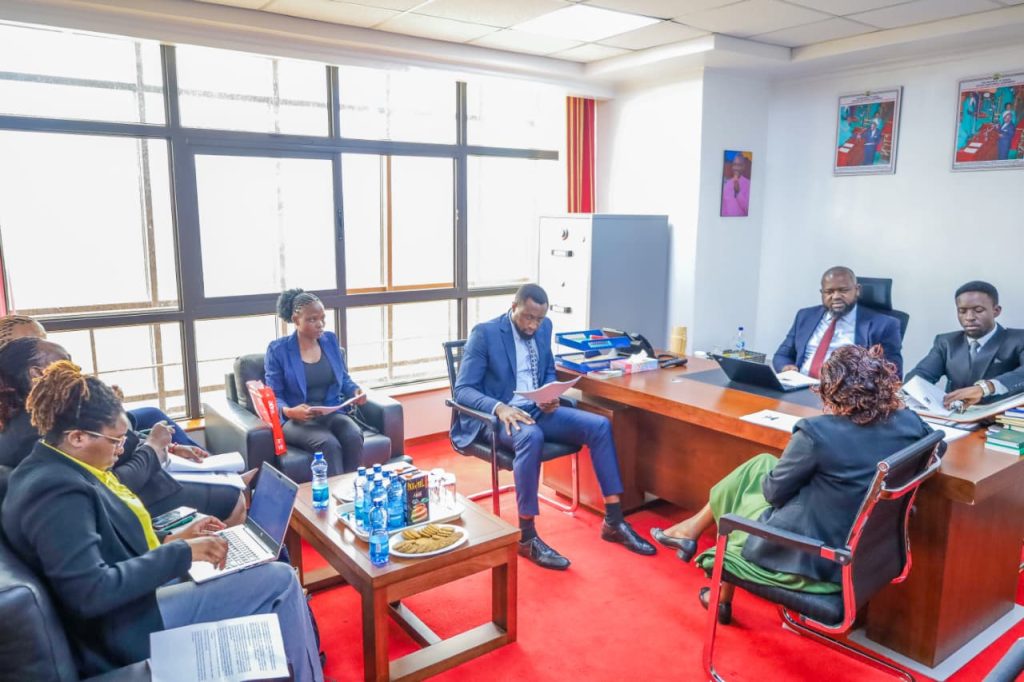
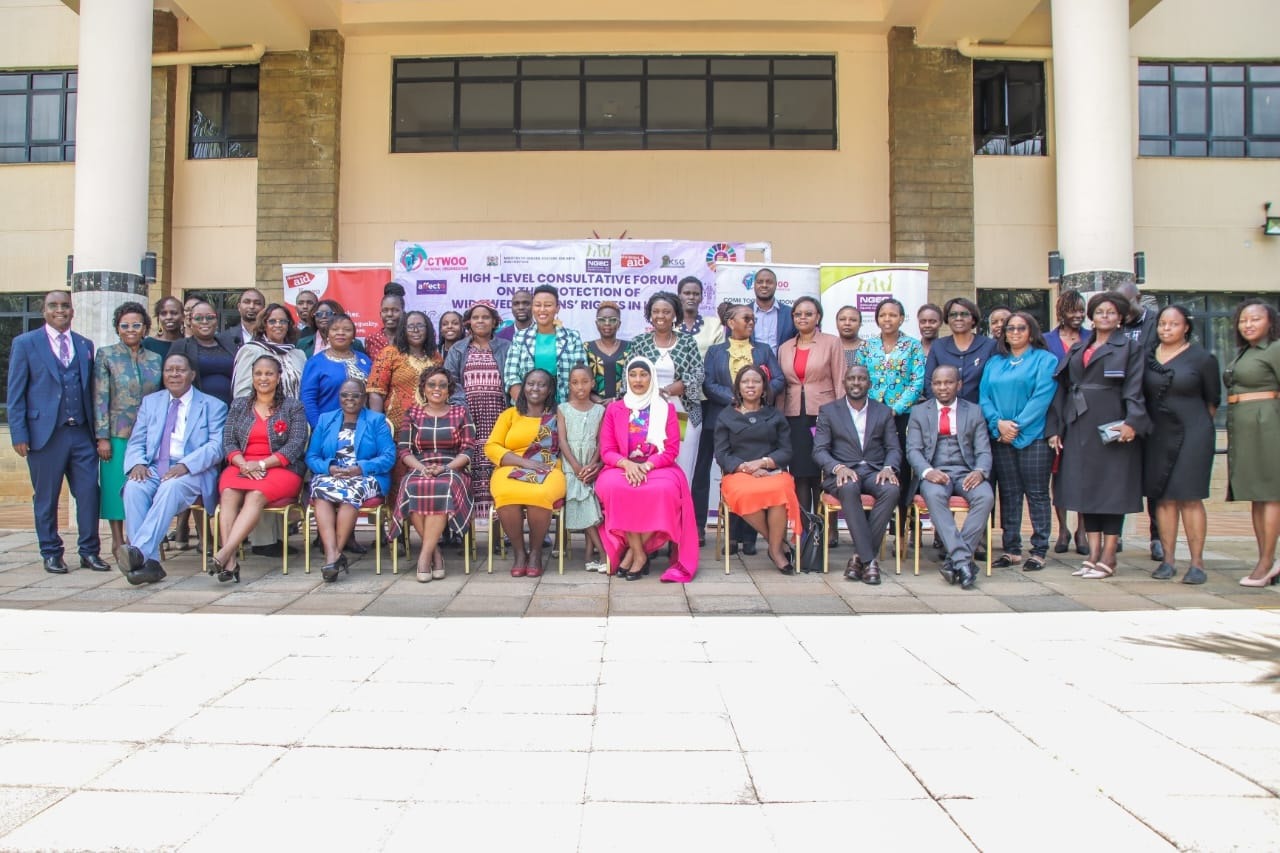
Come Together Widows and Orphans Organization (CTWOO) is spearheading and advocating for legislative changes in Kenya to legally shield widowed persons from deep-rooted discrimination and property dispossession.
- Among other matters, the Bill proposes:
(a) The establishment of a specialised framework of rights for Widowed
Persons;
(b) Protection against harmful cultural practices, unlawful evictions,
disinheritance, and property grabbing;
(c) Institutional mechanisms for access to justice, psychosocial support, legal aid, research, and public awareness;
(d) The establishment of the Widowed Persons Protection Board:
(e) Structured data collection and mainstreaming of widowhood issues within
national and county planning frameworks; and
(f) Consequential amendments to the Law of Succession Act to align
succession law with constitutional principles of equality, dignity, and non-discrimination.
Legal Empowerment and Advocacy
Paralegal Training & Legal Aid
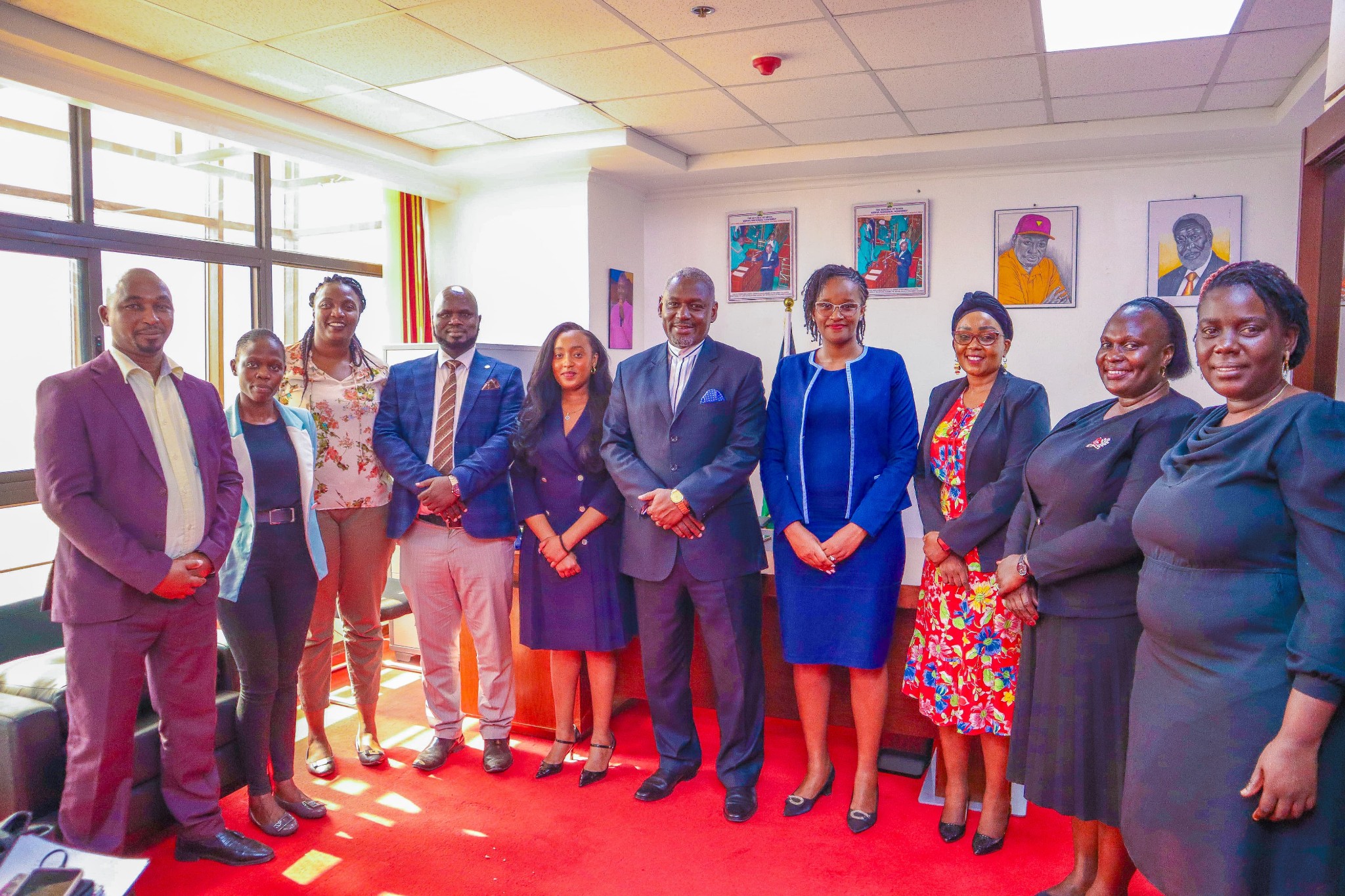
We are providing immediate legal aid to widows facing injustices. We also progressively train and graduate widows to become community paralegals who can defend others. Upon graduation, these individuals become certified community paralegals. Positioned at the grassroots level, they serve as frontline defenders who can identify early signs of rights violations, offer preliminary legal advice, and mediate local conflicts before they escalate.
To ensure that every widow receives the highest standard of holistic care, we actively refer cases to like-minded organizations and strategic legal partners.We work closely with legal defense organizations such as the Federation of Women Lawyers (FIDA) to ensure widows have access to robust courtroom representation, specialized legal clinics, and extensive human rights networks. By collaborating with FIDA and other trusted allies, we extend our reach, close the gaps in access to justice, and ensure that every widow has a powerful, united front standing behind her.




Legal Empowerment and Advocacy
Family Law and Rights Education
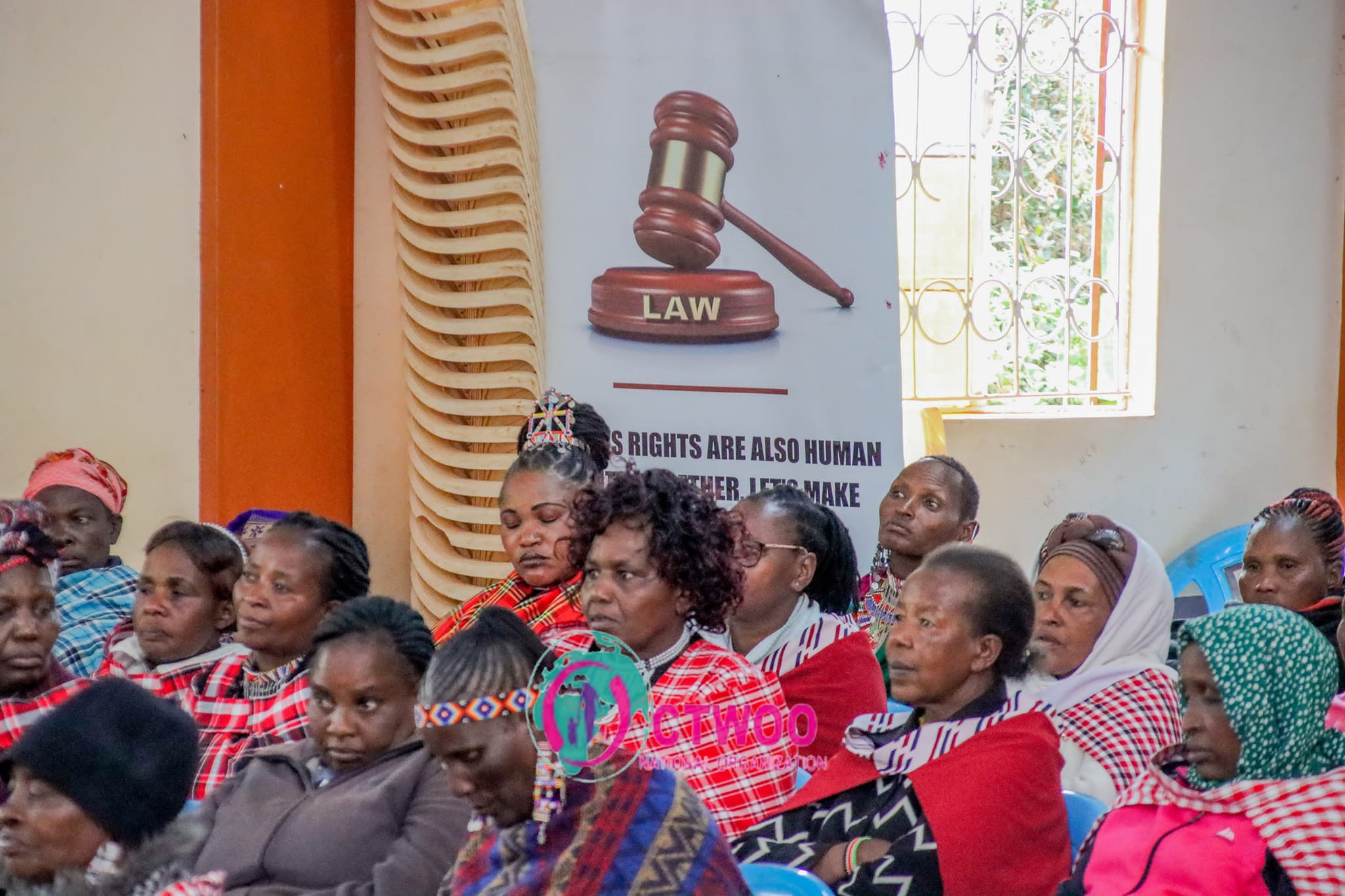
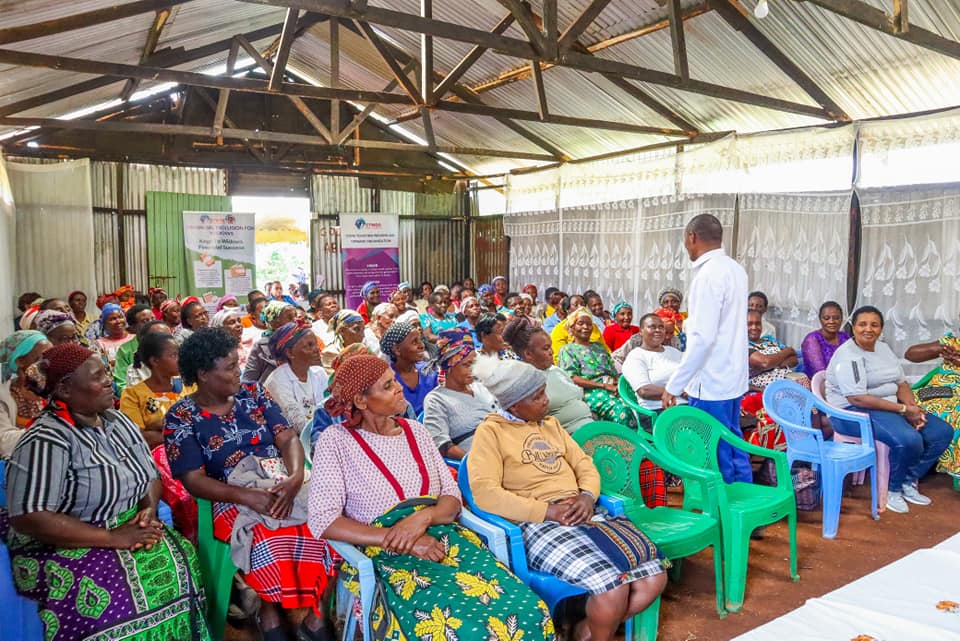
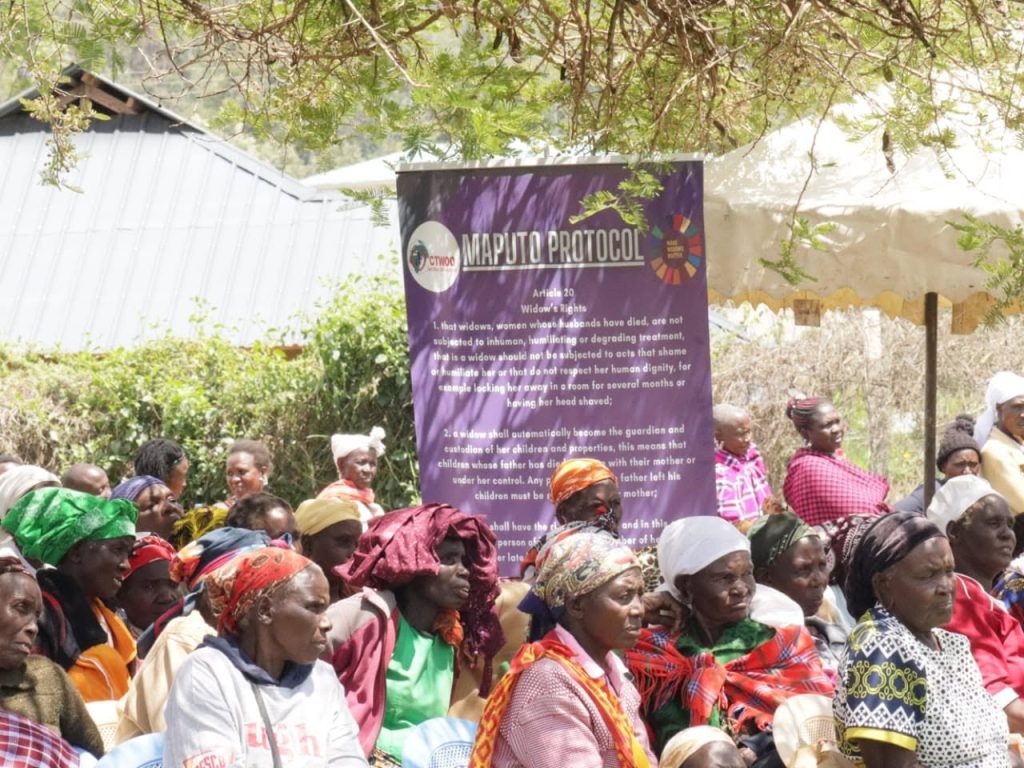
We believe that knowledge is the ultimate shield. Across many communities, the sudden loss of a husband quickly triggers a second crisis: the threat of illegal inheritance eviction by in-laws. This devastating practice is often fueled by deep-rooted patriarchal customs, but it is heavily sustained by a widespread lack of legal awareness. Widows, their children, and even local leaders are often unaware of the statutory laws that override harmful traditional practices.
To break this cycle, we run targeted legal literacy programs designed to dismantle ignorance and replace vulnerability with legal authority.
Empowering Widows with Legal Authority When a husband passes away, a widow is frequently met with intense family pressure or outright intimidation to surrender land, property, and matrimonial wealth. Our initiatives ensure that widows are fully equipped with critical knowledge of Kenyan Family Law, the Law of Succession, and Matrimonial Property Acts.Engaging Community Members and Local Leaders as Frontline Allies.
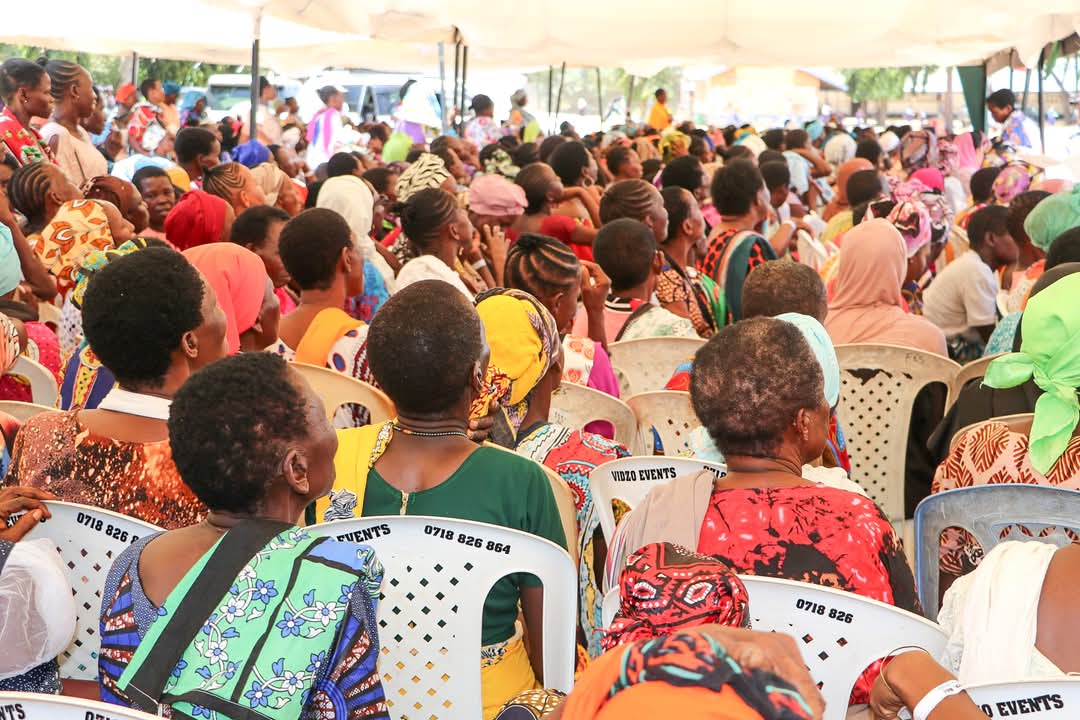
We recognize that educating the widow alone is not enough if the environment around her remains hostile. Therefore, our outreach extends deeply into the broader community, targeting village elders, chiefs, religious leaders, and neighbors.
Legal Empowerment and Advocacy
Human Rights & CEDAW Alignment
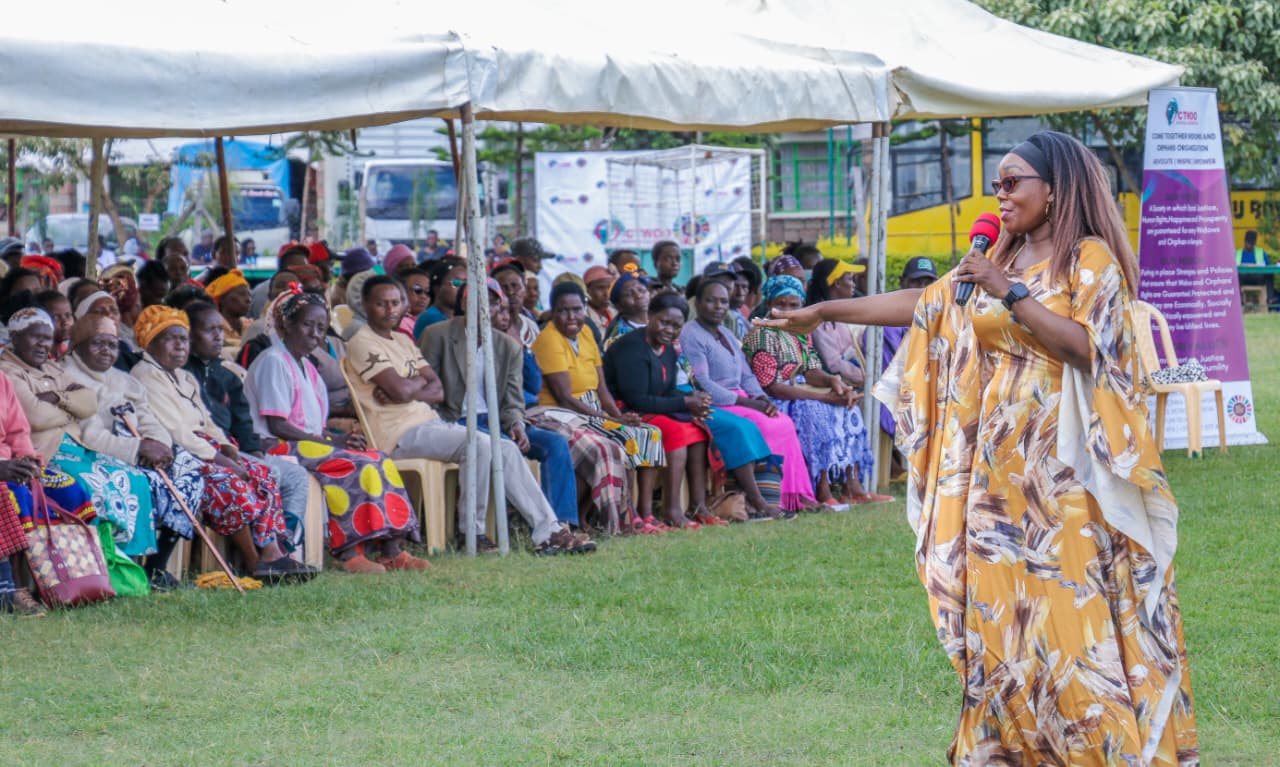
For grassroots organizations, local advocacy becomes exponentially more powerful when it is anchored to global standards. In many communities, the oppression, discrimination, and economic disenfranchisement that widows face are deeply normalized as “tradition.” To challenge these deeply entrenched practices, we intentionally align our local grassroots interventions with international frameworks—most notably the Convention on the Elimination of All Forms of Discrimination against Women (CEDAW), often described as the international bill of rights for women.
Aligning with CEDAW connects our grassroots movement in Kenya to a global network of gender equality advocates. It allows us to participate in shadow reporting and civil society monitoring, ensuring that the lived experiences of Kenyan widows are documented and heard by international human rights bodies. This global alignment reassures the widows we serve that they are not fighting a lonely battle in their villages; they are part of a global, historic march toward dignity, equality, and human rights.


Nairobi Office
- 1st Floor, Room 110, Blessed House, Thika Superhighway Next to Astrol Petrol Station
- +254702577477 / +254789577476
- info@cometogewoo.org
Meru Office
- MERU-NKUBU, GM plaza ground floor room no.G8
- +254119938756
- ctwoomeruoffice@cometogewoo.org
Our Programs
Quick Links
Subscribe to CTWOO newsletter NOW
Get our latest updates straight to you.